

Why You Need an eSIM for Travel Before Your Next Flight
Tired of hunting for Wi-Fi or swapping out your physical SIM card every time you cross a border? An eSIM for travel is a tiny, digital SIM built into your phone that lets you buy and activate a local data plan online, often in just a few minutes. This gives you immediate, affordable internet access in your destination without any extra hardware, allowing you to stay connected with maps, messaging, and rideshares the moment you land. The best part is that you can keep your primary home number active for calls and texts while your eSIM handles all your data needs abroad.
What Is a Digital SIM and How It Transforms Roaming
A digital SIM, or eSIM, is a programmable chip embedded in your phone that replaces the physical plastic card. For travel, this transforms roaming by allowing you to download a local data plan instantly before or after arrival, bypassing expensive carrier fees and physical store visits. Instead of swapping cards, you simply scan a QR code to activate connectivity. Q: How does a digital SIM transform roaming? A: It lets you switch between carriers and activate plans directly from your device, eliminating physical logistics and enabling seamless, on-the-go network access in any destination.
Comparing Traditional Plastic SIMs to Embedded SIM Technology
Traditional plastic SIMs require physical insertion, removal, and potential loss during travel, whereas embedded eSIM technology is soldered directly into your device and activated instantly via a QR code or app. This eliminates the need to fumble with tiny cards at airports or source local SIMs abroad. Plastic SIMs lock you into one carrier per slot, but an eSIM stores multiple profiles, allowing seamless switching between local data plans during a trip. For travelers, this means friction-free connectivity without hunting for physical stores or risking damage to a fragile SIM tray.
| Aspect | Traditional Plastic SIM | Embedded eSIM |
|---|---|---|
| Activation | Manual insertion and removal | Instant remote download |
| Carrier Flexibility | One carrier per slot | Multiple profiles, switch instantly |
| Physical Risk | Easily lost or damaged | No physical component to break |
Why Frequent Flyers Are Switching to This Mobile Solution
Frequent flyers switch to eSIMs to eliminate the constant hunt for local SIM cards or expensive roaming plans. Seamless connectivity across borders is their core reason. Instead of swapping physical cards at each arrival, they activate a data plan in minutes via an app. The sequence is simple:
- Install a compatible eSIM profile before departure.
- Choose a local or regional data package.
- Activate the plan upon landing with a single tap.
This removes the anxiety of losing service between flights. Travelers gain immediate mobile access without visiting a single shop. The result is consistent, affordable data from the moment they step off the China eSIM plane, making complex roaming setups obsolete.
Top Benefits of Using an Embedded SIM Abroad
Using an eSIM for travel eliminates the frantic hunt for a local SIM upon arrival, letting you connect the moment you land. The top benefits of using an embedded SIM abroad include instant activation and the ability to keep your home number active for verification codes. You can easily switch between multiple data plans without physically swapping tiny chips, avoiding the risk of losing your primary SIM. This seamless flexibility allows you to top up or change carriers mid-trip from your phone’s settings, ensuring uninterrupted connectivity in remote areas. It transforms a cumbersome logistics puzzle into a simple, pre-loaded travel tool.
Avoiding Excessive Charges from Your Home Carrier
An embedded SIM eliminates your home carrier’s roaming tariffs entirely by letting you purchase a local data plan in your destination before you depart. This avoids the shock of daily roaming fees, which can exceed $10 per day. Avoiding excessive charges from your home carrier requires simply disabling your primary eSIM profile for cellular data abroad. Even a single background app refresh can trigger costly data usage on your regular line. Q: How do I ensure no accidental charges occur from my home carrier? A: Disable the “Cellular Data Switching” feature and manually select your embedded SIM as the only active data line in your device settings.
Switching Between Local Plans Without Hunting for a Store
Switching between local plans while traveling abroad is effortless with an embedded SIM, as you can change providers directly from your phone settings. This eliminates the need to physically hunt for a store to purchase a new SIM card when your current plan runs out or offers poor coverage. Instead, you browse available data packages online, install a new eSIM profile instantly, and activate it without waiting in line or dealing with foreign shopkeepers. The process takes seconds, requiring only a stable internet connection and a few taps on your device. This convenience keeps you connected across regions without disrupting your itinerary.
Switching between local plans without hunting for a store saves time and removes logistical hassles, allowing you to adapt your connectivity on the go.
Managing Multiple Profiles for Different Destinations
For travelers, an embedded SIM transforms managing multiple profiles for different destinations from a logistical nightmare into a tap-and-go breeze. You can pre-load a profile for Japan, another for France, and a third for Brazil, keeping them all inactive until you land. This eliminates the frantic hunt for local SIMs or the cost of roaming. Switching between these preloaded travel data profiles takes seconds, allowing you to stay seamlessly connected as you hop from one country to the next without juggling physical cards or losing your primary number.
How to Check if Your Device Supports Remote SIM Provisioning
To check if your device supports remote SIM provisioning for eSIM travel, go to **Settings > Cellular or Mobile Data** and look for an “Add eSIM” or “Add Data Plan” option. If present, your phone likely supports it. For a quick test, search your model at the manufacturer’s site or use the dialer code *#06#—if an EID number appears, you’re good to go. Q: How do I know if my iPhone supports remote eSIM installation? A: Ensure you have an iPhone XS or newer, as models before this lack the eSIM chip. Also check carrier compatibility; some locked phones block eSIM features.
Finding eSIM Compatibility on iPhone, Android, and Latest Models
To find eSIM compatibility for travel, check your iPhone model in Settings > General > About, looking for “Digital SIM” or an available IMEID. For Android, open Settings > Connections > SIM Manager; a dedicated eSIM option confirms support. On latest models like the iPhone 14 series (US) or Google Pixel 7 and above, eSIM is standard, but verify via the Add eSIM prompt in Cellular settings. For other devices, dial *#06#—if a single IMEI appears alongside a second EID number, it supports remote provisioning.
- Open device settings to Cellular or Connections.
- Look for “Add Cellular Plan” (iPhone) or “Add eSIM” (Android).
- Confirm a QR code or manual entry option appears.
This sequence directly identifies travel-ready eSIM capability.
Unlocking Your Phone for International Profiles
To use an international eSIM profile, your phone must be carrier-unlocked. A locked device restricts you to one provider, blocking foreign eSIMs. Check your phone’s status in Settings under “Carrier Lock” or by inserting a different carrier’s SIM. If locked, contact your original carrier to request an unlock, often free after contract fulfillment. Once unlocked, you can scan eSIM QR codes from international providers. This step is essential for enabling remote eSIM provisioning abroad, allowing you to instantly switch to local data plans without physical SIM swaps.
Unlocking your phone is a mandatory prerequisite that removes carrier restrictions, enabling remote activation of international eSIM profiles for travel.
Selecting the Best Global Data Plan for Your Trip
When planning your upcoming trip, selecting the best global data plan starts with mapping your itinerary against coverage maps. I once landed in Tokyo assuming my plan covered all of Asia, only to discover my eSIM only worked in Japan. That mistake taught me to prioritize a **regional eSIM for travel** over a global one if you visit multiple nearby countries. Check if your chosen eSIM offers tiered data caps—some plans throttle after 1GB, while others provide high-speed allowances perfect for navigation and social sharing. For a two-week trek, I now choose a plan with at least 5GB to avoid hunting for Wi-Fi. Always verify activation steps before departure; real-time installation saves stress at customs. The best data plan isn’t the cheapest—it’s the one that aligns with your actual destinations and usage habits, ensuring seamless connectivity from arrival to departure.
Comparing Regional Packages Versus Single-Country Options
When choosing an eSIM, the core decision is regional packages versus single-country options. A regional plan, like one covering all of Europe, offers seamless connectivity as you cross borders, eliminating the hassle of swapping profiles. It’s perfect for multi-destination trips, but you often pay a premium for that convenience. A single-country eSIM, conversely, is leaner and cheaper if you’re camping in one city, delivering higher data caps for a lower price. However, it’s useless the moment you step into a neighboring nation. To decide, weigh your itinerary’s scope against your budget.

| Factor | Regional Package | Single-Country eSIM |
|---|---|---|
| Best for | Multi-country itineraries | One-country trips |
| Cost efficiency | Higher per day, but avoids multiple purchases | Lower total cost for static travel |
| Convenience | Auto-connects across borders | Requires manual switch if you move |
| Data allowance | Often capped or throttled | More data for the price |
Evaluating Data Speeds, Coverage, and Validity Periods
When evaluating an eSIM for travel, prioritize real-world network coverage over advertised reach by cross-referencing user reports from your specific destinations. For data speeds, distinguish between LTE and 5G availability, as a plan boasting high speeds is useless if it throttles after a small fair-usage cap. Validity periods must match your exact trip duration—a 30-day plan used for only a week wastes money, while a 7-day plan that expires mid-trip forces a costly top-up. Logically, select a plan where the speed tier, coverage map, and validity window are mutually aligned with your itinerary’s length and data needs.
Pay-As-You-Go vs. Prepaid Bundles – Which Fits Your Itinerary
Choosing between pay-as-you-go and prepaid bundles for your eSIM requires comparing cost predictability against flexibility. A prepaid data bundle offers a set amount of high-speed data for a fixed duration, making it ideal for a structured itinerary with known daily usage. Pay-as-you-go deducts from a credit balance on a per-megabyte or per-day basis, suiting spontaneous travelers or those needing emergency connectivity. To match the plan to your schedule:
- Calculate your average daily data usage for map navigation, messaging, and social media.
- Estimate the number of travel days you will actively use cellular data.
- If the total falls within a standard bundle tier, choose that for cost certainty.
- If your usage varies widely by location or day, select pay-as-you-go to avoid overpaying for unused data.
Step-by-Step Guide to Activating Your First International Profile
Activating your first international eSIM profile for travel begins with purchasing a compatible plan from a provider before departure. After payment, you will receive a QR code or manual activation code via email. On your device, navigate to cellular settings, select “Add eSIM,” and scan the QR code. Label this new line clearly (e.g., “Spain Trip”) to distinguish it from your home line. Ensure data roaming is toggled on for this profile. Upon arrival, manually select the local network listed in your plan’s instructions if it does not connect automatically.
Always activate the eSIM while still connected to home Wi-Fi to avoid data charges and ensure your profile downloads fully.
Finally, set this line as your primary data source while keeping your home line for calls and texts.
Scanning a QR Code and Downloading the Configuration
Once your purchase is complete, scanning the QR code from your provider triggers the immediate download of your travel profile’s configuration. Ensure a stable Wi-Fi connection before scanning, as the process installs network settings and an APN securely onto your device. This single scan replaces the need for a physical SIM card entirely and activates your data plan instantly. After the profile downloads, follow the on-screen prompts to finalize installation—no manual entry is required. Q: What if my QR code won’t scan? A: Manually enter the SM-DP+ address and activation code provided in your confirmation email to download the configuration directly.
Setting Up a Secondary Line While Keeping Your Home Number Active
To keep your home number active while traveling, you’ll first ensure your primary SIM’s Wi-Fi Calling is enabled before departure. Next, purchase an eSIM data plan for your destination. During activation, assign the eSIM for cellular data and your home SIM for voice and SMS. This setup allows your regular number to ring over Wi-Fi or the eSIM’s data channel, preventing missed calls. Disable data roaming on your home SIM to avoid surprise charges. The result is seamless dual-SIM functionality without porting or forwarding. Your existing line remains live for OTPs and family calls, while the eSIM handles cheap local data.
By pairing your home line’s Wi-Fi Calling with an active eSIM, you maintain full contactability on your primary number while using the eSIM exclusively for affordable mobile data abroad.
Tips for Troubleshooting Common Activation Errors
If your international eSIM fails to activate, first confirm your device is connected to a stable Wi-Fi network, as cellular data is inactive during activation. Next, manually select your travel network from the carrier list in your phone settings. Check your eSIM’s installation status under mobile plans; if it shows “No Service,” try restarting your device. For persistent errors, use this sequence:
- Remove and re-scan the eSIM QR code.
- Reinstall the profile from your provider’s app.
- Toggle Airplane Mode on for 30 seconds, then off.
Some networks require you to wait for a roaming agreement to activate automatically after the first reboot. Avoid disabling the primary SIM until you see a live connection signal.
Staying Connected in Remote Destinations
Staying connected in remote destinations demands a reliable eSIM, not a flimsy physical SIM hunt. An eSIM from a global provider lets you instantly switch to a local network the moment your plane lands, avoiding dead zones common with roaming. This ensures maps, messaging, and emergency contacts work in places like Patagonia or the Sahara. How do I stay connected with an eSIM when there is no cellular signal at all? You cannot; an eSIM requires a live network, so download offline maps and save emergency SOS satellite plans as a backup before departing. By preloading a regional eSIM plan, you gain seamless, stable access far beyond urban hubs, turning the wild into a reachable, shareable adventure.
Leveraging Local Networks Without Expensive Retail SIM Cards
An eSIM allows you to leverage local networks without expensive retail SIM cards by instantly downloading a regional plan from a global provider, which negotiates direct roaming rates. Instead of hunting for a physical kiosk, you activate a local carrier’s network via a QR code before departure or on arrival. The key is selecting an eSIM that offers deep local infrastructure access, not just aggregated regional roaming.
Q: How does an eSIM bypass the high cost of a local retail SIM?
A: It secures wholesale local network access, often pricing data at a fraction of a tourist SIM’s per-gigabyte cost, while eliminating physical retail overhead.
Using eSIM Apps to Find Affordable Packages on the Fly
When you land in a remote destination, traditional roaming charges can be a shock. With an eSIM, you can open a dedicated travel app and browse affordable data packages on the fly. These apps scan local networks, letting you instantly compare prices in real-time—so you can snag a one-day, 5GB plan specifically for your jungle trek or island hopping without hunting for a physical SIM shop.
Backup Connectivity Strategies for Off-the-Grid Travelers
For off-the-grid travelers, a single eSIM is a single point of failure. A robust backup connectivity strategy involves pairing your primary data eSIM with a second, separate eSIM from a different provider using a different local network. This ensures you can switch networks if one fails, while also carrying a physical SIM from a global roaming card for absolute redundancy. Pre-download offline maps and messaging apps for every eSIM profile you activate. Rotate your primary connection weekly to test each fallback, ensuring no backup becomes a forgotten ghost.
Backup connectivity means carrying two active eSIMs from different providers plus a physical global roaming SIM, testing all lines before you lose signal.
Security and Privacy Considerations While Roaming Digitally
Using an eSIM for travel significantly enhances your digital security by removing the risk of physical SIM swapping or theft. Your profile is stored securely on the device’s embedded chip, resistant to tampering. However, vigilance is required: only install eSIMs from trusted providers via official apps or QR codes to avoid malicious clones that could intercept data. Always use a VPN when engaging in sensitive transactions on public networks. A common question: Q: Can my roaming eSIM provider track my location or browsing? A: Yes, your data passes through their network, so choose a provider with a strict no-logs policy for privacy.
Ensuring Your Data Stays Encrypted on Public Networks
When traveling, an eSIM itself does not inherently encrypt your data over public Wi-Fi. To ensure your data stays encrypted on public networks, you must combine the eSIM’s native encryption with a VPN. First, activate a trusted VPN before connecting to any hotel or airport Wi-Fi. Second, verify that your eSIM profile uses APN settings that enforce an encrypted tunneling protocol like IPSec. Third, disable automatic Wi-Fi joining to prevent your device from connecting to unsecured rogue hotspots. Always confirm the network login page is served over HTTPS before entering credentials, as captive portals can strip encryption.
- Connect your VPN before the public Wi-Fi network.
- Verify your eSIM’s APN enforces an encrypted tunnel.
- Disable automatic Wi-Fi joining to avoid untrusted networks.
Managing Permissions for Multiple Virtual SIMs
Managing permissions for multiple virtual SIMs during travel requires granular access control. Each eSIM profile operates as an isolated identity, meaning you must separately restrict its ability to access your device’s camera, contacts, or SMS. For example, a local data-only eSIM seldom needs microphone permissions, while your primary home eSIM might require SMS for banking verification codes. Actively revoking non-essential permissions for each secondary profile prevents a compromised travel SIM from harvesting sensitive data from your core identity. This deliberate filtering creates a logical barrier, ensuring that permission segmentation remains your primary defense against cross-profile data leaks while roaming.
Cost Comparison: eSIM vs. Pocket Wi-Fi vs. Local Physical Cards
For budget-conscious travelers, the cost comparison is stark. eSIMs offer the most predictable and often cheapest per-gigabyte rate, with no hardware rental fees. Pocket Wi-Fi is the most expensive option, carrying daily rental charges that quickly exceed any multi-day trip’s data allowance. Local physical SIMs can be marginally cheaper than eSIMs domestically, but require wasted time finding a store and paying activation fees.
The key insight: eSIMs eliminate hardware costs and roaming surcharges entirely, making them the definitive value choice for frequent or multi-destination trips.
You pay only for the data plan, directly installed, avoiding the 10–20% markup and daily rental overhead of a pocket hotspot.
Hidden Fees to Watch for in Digital Roaming Plans
When comparing eSIMs, pocket Wi-Fi, and local physical cards for travel, hidden fees in digital roaming plans often lurk in data throttling after threshold limits. Providers may advertise “unlimited” data but silently reduce speeds to unusable levels after a certain cap, forcing you to purchase top-ups. Watch for daily connection fees that activate automatically, even for idle days, or surcharges on certain network bands. Some plans also impose minor per-kilobyte charges for data used outside designated partner zones. Additionally, check for early cancellation penalties tied to specific eSIM profiles, as quitting a plan mid-trip can incur unexpected costs.

Calculating Total Expenses for a Two-Week Overseas Journey
For a two-week overseas journey, calculating total expenses requires comparing upfront costs against hidden fees. An eSIM might cost $30-$60 for 10-20GB of data, with zero roaming penalties. Pocket Wi-Fi rental often runs $7-$15 daily, totaling $98-$210, plus a return shipping fee. A local physical card could be $15-$40 but adds transport costs to find a shop and potential activation charges. Calculating total expenses means factoring in your time and convenience, not just the sticker price. The cheapest option on paper may cost more in lost hours or data overage penalties. Two-week travel data spending hinges on your actual data usage versus plan limits.
Calculating total expenses for a two-week trip involves adding data plan cost, hidden fees, and time value for setup.
Common Myths About Digital SIM Technology Debunked
A common myth is that eSIMs are unreliable compared to physical SIMs, but for travel, the opposite is often true. Digital SIM technology actually eliminates the risk of losing or damaging a tiny plastic chip while abroad. Many travelers also believe eSIMs force them to use a single, expensive international plan. In reality, you can instantly switch between local carriers within the app to grab the best rates. Another fallacy is that you need a Wi-Fi connection to install one; you can install it before departure. The real constraint is compatibility: while most newer phones work flawlessly, older models won’t.
Activating an eSIM before you fly means you land with data, removing the hunt for airport SIM kiosks.
Does It Drain Battery Faster Than a Traditional SIM
One persistent myth is that an eSIM drains your battery faster than a traditional SIM, especially during travel. In reality, the power draw is nearly identical because both perform the same network registration tasks. The difference is negligible—your screen and signal hunting in a weak area have a far greater impact. Activating a new travel eSIM profile does not introduce a noticeable battery penalty. Thus, eSIM battery impact is minimal compared to other phone activities.
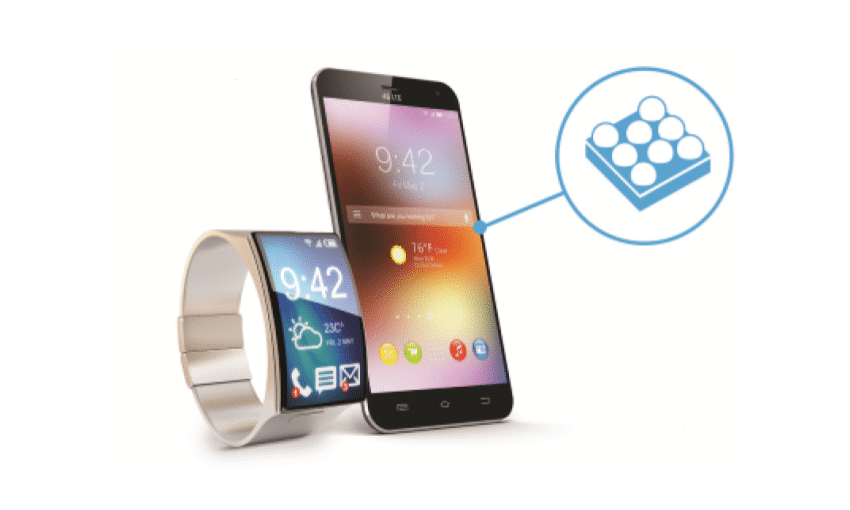
An eSIM does not drain your battery faster than a physical SIM; any perceived drain is likely caused by poor signal or heavy app usage while traveling.

Can You Keep Your Original Number While Using a Foreign Profile
Yes, you can absolutely keep your original number while using a foreign eSIM profile. A dual SIM phone lets your primary line stay active for calls and texts, while the travel eSIM handles data abroad. Your home number won’t disappear or be replaced. Just ensure your device supports dual SIM, and set the foreign profile for data only. iMessage and WhatsApp keep working with your usual number too.
- Assign your original number for voice and SMS in settings.
- Set the foreign eSIM as the default for mobile data.
- No need to cancel or port your home line.
- Check your carrier’s roaming charges for calls back home.
Future Trends in Mobile Connectivity for International Travelers
As global nomads navigate shifting landscapes, the future of mobile connectivity rests on seamless, multi-network eSIM profiles that automatically switch between local carriers without user intervention. Imagine stepping off a flight in Marrakech; your phone instantly latches onto the strongest signal from a pool of five regional providers, avoiding spotty zones in the medina. This trend eliminates the frantic search for Wi-Fi passwords in cramped airport lounges.
For the traveler, this means the death of single-carrier roaming—your connection becomes a living, adaptive mesh rather than a rigid contract.
Soon, eSIMs will pre-cache offline maps for your next layover city based on your itinerary, ensuring you never lose directions even before data activates. The focus is frictionless travel: no swapping cards, no throttling, just persistent, context-aware connectivity that bends to your route, not the other way around.

How 5G and Satellite Integration Will Change On-the-Go Access
The integration of 5G with satellite connectivity will eliminate dead zones for travelers, enabling seamless switching between terrestrial networks and low-earth-orbit satellites via a single eSIM profile. This allows instant, high-speed access in remote mountains or mid-flight, as the eSIM manages automatic fallback without manual configuration. To maintain consistent connectivity:
- The device prioritizes 5G towers for latency-critical tasks like video calls.
- It seamlessly hands off to satellite for essential messaging when out of 5G range.
- Both links combine for uninterrupted data, even crossing borders. This 5G-satellite eSIM bridge ensures the traveler never experiences a connectivity gap, whether hiking or on a transatlantic crossing.
The Rise of eSIM-Only Carriers and On-Demand Data Services
eSIM-only carriers and on-demand data services are reshaping travel connectivity by offering instant, app-based activation without physical SIM cards. Travelers now purchase data packages specific to their destination, duration, and usage needs, avoiding long-term contracts. This flexibility allows users to switch between providers mid-trip, top up data in real-time, or even buy a local eSIM upon arrival with a few taps. The core advantage is on-the-fly data customization, eliminating roaming fees and the hassle of swapping SIMs.
- Activate a data plan minutes before landing, with coverage tailored exactly to your itinerary.
- Pause or upgrade your service mid-journey if you need extra bandwidth for streaming or maps.
- Manage multiple eSIM profiles from different carriers on one device, choosing the best rate per country.